• Home
  • Dental Implants
  • wisdom teeth
  • Sedation / Anesthesia
  • Sinus Lift
  • bone grafting
  • extractions
  • oral pathology
  • Locations
  • Meet Dr. Sudbrink
  • More
    • Home
    • Dental Implants
    • wisdom teeth
    • Sedation / Anesthesia
    • Sinus Lift
    • bone grafting
    • extractions
    • oral pathology
    • Locations
    • Meet Dr. Sudbrink
  • Home
  • Dental Implants
  • wisdom teeth
  • Sedation / Anesthesia
  • Sinus Lift
  • bone grafting
  • extractions
  • oral pathology
  • Locations
  • Meet Dr. Sudbrink

Wisdom Teeth Removal by an Oral & Maxillofacial Surgeon

X-ray showing impacted wisdom tooth.

Background on Wisdom Teeth

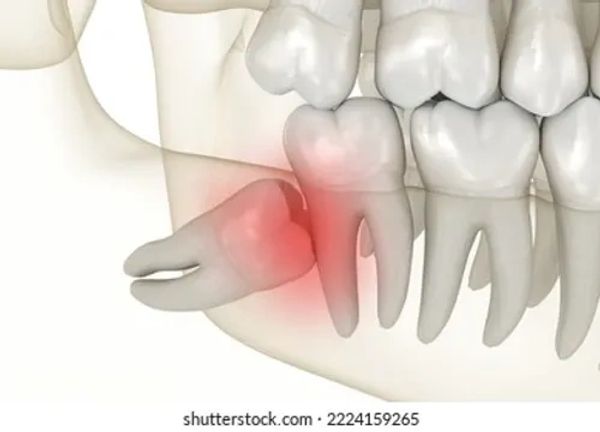
Wisdom teeth, also called third molars, are the last teeth to develop and usually erupt between ages 17–25. Many patients do not have enough room in the jaws for proper eruption, which can lead to:


  • Impaction (tooth trapped under bone or gum)
  • Partial eruption
  • Infection around the tooth
  • Damage to adjacent teeth
  • Gum disease
  • Cysts or bone destruction
  • Crowding or food trapping
  • Difficulty cleaning the area


Impacted wisdom teeth can remain asymptomatic for years, but pathology may still slowly develop beneath the surface.

Why Removal Is Commonly Recommended

Common Reasons for Extraction

Infection & Inflammation

Infection & Inflammation

Infection & Inflammation

Partially erupted wisdom teeth can create a flap of tissue that traps bacteria and food debris, often leading to complications such as swelling, pain, a bad taste or odor, and recurrent infections known as pericoronitis. If you are experiencing these issues, it may be a sign of impacted wisdom teeth, and consulting an oral and maxillofacial surgeon could be beneficial. They can determine if oral surgery is necessary to alleviate these symptoms and prevent further complications.

Damage to Adjacent Teeth

Infection & Inflammation

Infection & Inflammation

Impacted wisdom teeth can press against second molars, leading to various dental issues such as decay, bone loss, root damage, and periodontal defects. Consulting an oral and maxillofacial surgeon may be necessary to address these complications through oral surgery.

Cysts & Pathology

Infection & Inflammation

Cysts & Pathology

Impacted wisdom teeth may develop cystic changes around the crown that can enlarge and damage surrounding bone, necessitating the expertise of an oral and maxillofacial surgeon for potential oral surgery.

Difficult Hygiene

Orthodontic or Restorative Planning

Cysts & Pathology

The posterior location of impacted wisdom teeth makes brushing and flossing difficult, which increases the risk of chronic inflammation and decay. Consulting an oral and maxillofacial surgeon may be necessary for oral surgery to address these issues.

Orthodontic or Restorative Planning

Orthodontic or Restorative Planning

Orthodontic or Restorative Planning

Removal of impacted wisdom teeth may be advised before: Orthodontic treatment, jaw surgery, or certain prosthetic or restorative procedures, especially when performed by an oral and maxillofacial surgeon in the context of oral surgery.

Why Choose an Oral & Maxillofacial Surgeon

Dental X-ray highlighting wisdom teeth.

Advanced Surgical Training

An oral & maxillofacial surgeon completes:

  • Dental school
  • A hospital-based surgical residency (typically 4–6 years)


Training includes:


  • Complex tooth removal
  • Bone surgery
  • Sedation/anesthesia
  • Airway management
  • Emergency management
  • Treatment of surgical complications

Benefits of Having Wisdom Teeth Removed by an Oral Surgeon
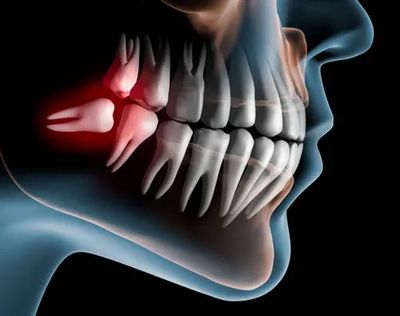
X-ray of horizontally impacted tooth.

1. Expertise With Complex Impactions

Oral surgeons routinely manage:


  • Deep bony impactions
  • Horizontally impacted teeth
  • Teeth near nerves or sinuses
  • Difficult root anatomy


This experience can improve efficiency and reduce surgical trauma.

2. Advanced Imaging & Surgical Planning

We use:


  • Panoramic radiographs
  • CBCT 3D imaging


These help evaluate:


  • Inferior alveolar nerve position
  • Sinus proximity
  • Root curvature
  • Bone anatomy

3. IV Sedation & Anesthesia Experience

Wisdom teeth, commonly known as third molars, are the last teeth to develop, typically erupting between the ages of 17 and 25. Many patients find that they do not have sufficient room in their jaws for proper eruption of these teeth, which can lead to issues such as impacted wisdom teeth, where a tooth is trapped beneath the bone or gum. This can result in partial eruption, infections around the tooth, damage to adjacent teeth, gum disease, cysts or bone destruction, crowding or food trapping, and difficulty cleaning the area. While impacted wisdom teeth can remain asymptomatic for years, underlying pathology may slowly develop beneath the surface. In such cases, consulting an oral and maxillofacial surgeon may be necessary to determine if oral surgery is required.

4. Efficiency & Reduced Surgical Time

An oral and maxillofacial surgeon completes dental school and a hospital-based surgical residency, which typically lasts 4–6 years. Their training includes various aspects of oral surgery, such as the removal of impacted wisdom teeth, bone surgery, sedation and anesthesia, airway management, emergency management, and the treatment of surgical complications.

Advantages of Early Removal

Wisdom teeth, commonly known as third molars, are the last teeth to develop, typically erupting between the ages of 17 and 25. Many patients find that they do not have sufficient room in their jaws for proper eruption of these teeth, which can lead to issues such as impacted wisdom teeth, where a tooth is trapped beneath the bone or gum. This can result in partial eruption, infections around the tooth, damage to adjacent teeth, gum disease, cysts or bone destruction, crowding or food trapping, and difficulty cleaning the area. While impacted wisdom teeth can remain asymptomatic for years, underlying pathology may slowly develop beneath the surface. In such cases, consulting an oral and maxillofacial surgeon may be necessary to determine if oral surgery is required.

Summary

Diagram of impacted wisdom tooth. infected wisdom tooth

Wisdom tooth removal is one of the most common oral surgical procedures. Having treatment performed by an oral & maxillofacial surgeon offers advantages in:


  • Surgical expertise
  • Sedation/anesthesia capability
  • Management of difficult impactions
  • Safety and complication management


IV sedation can greatly improve patient comfort and reduce anxiety, making the procedure more tolerable for many patients.

Copyright © 2026 Steven sudbrink oral surgeon - All Rights Reserved.

Powered by

This website uses cookies.

We use cookies to analyze website traffic and optimize your website experience. By accepting our use of cookies, your data will be aggregated with all other user data.

Accept