Bone Grafting for Dental Implants in Orlando, FL

Rebuild Bone and Restore Your Smile with Advanced Oral Surgery Technology
When teeth are missing for a long period of time, the jawbone can shrink and weaken. Bone grafting helps rebuild lost bone so dental implants can be placed securely and predictably.
Dr. Sudbrink performs advanced bone grafting procedures using modern techniques including PRF (Platelet Rich Fibrin), piezo surgical technology, and 3D imaging for precision treatment planning.
What Is Bone Grafting?
Bone grafting is a procedure used to rebuild or preserve jawbone that has been lost due to:
- Missing teeth
- Gum disease
- Infection
- Trauma
- Denture wear
- Long-term tooth loss
- Failed dental implants
Bone grafting creates a stronger foundation for future dental implants and helps restore proper facial structure and function.
Types of Bone Grafting Procedures

Socket Preservation Grafting
Socket Preservation Grafting
Socket Preservation Grafting
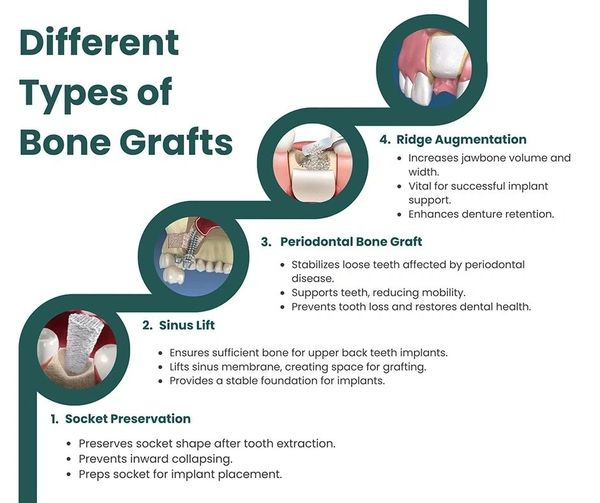
After a tooth extraction, bone graft material is placed into the socket to help preserve bone volume and reduce shrinkage.
This can:
- Help prepare the area for future implants
- Reduce collapse of the ridge
- Improve cosmetic outcomes
Ridge Augmentation
Socket Preservation Grafting
Socket Preservation Grafting
When the jaw ridge becomes too narrow or thin, ridge augmentation can rebuild width and height for implant placement.
This is commonly needed when:
- Teeth have been missing for years
- Bone has resorbed significantly
- Previous dentures accelerated bone loss
Sinus Lift Bone Grafting
Socket Preservation Grafting
Sinus Lift Bone Grafting
In the upper back jaw, the sinus cavity can expand after tooth loss, leaving inadequate bone for implants.
A sinus graft (sinus lift) carefully rebuilds bone beneath the sinus membrane to create space for dental implants.
Learn more about:
- sinus lift surgery
- PRF healing technology
- implant reconstruction options
Why Choose an Oral Surgeon for Bone Grafting?
Bone grafting and implant reconstruction involve:
- Jaw anatomy
- Sinus anatomy
- Nerve positioning
- Surgical reconstruction
- Sedation and anesthesia management
An oral and maxillofacial surgeon receives years of additional hospital-based surgical and anesthesia training beyond dental school.
Dr. Sudbrink combines surgical experience with advanced implant reconstruction technology to help patients restore function, comfort, and confidence.